
31 July 2026
| update4 mins
Read more
In the pharmaceutical and biotechnology industries, quality is not solely determined by equipment performance, facility design, or process robustness. It also depends on the knowledge, expertise, and commitment of the people who operate, maintain, and manage these highly regulated environments.
As regulatory expectations continue to evolve and patient safety remains the industry’s highest priority, continuous training has become a fundamental component of any successful quality strategy.
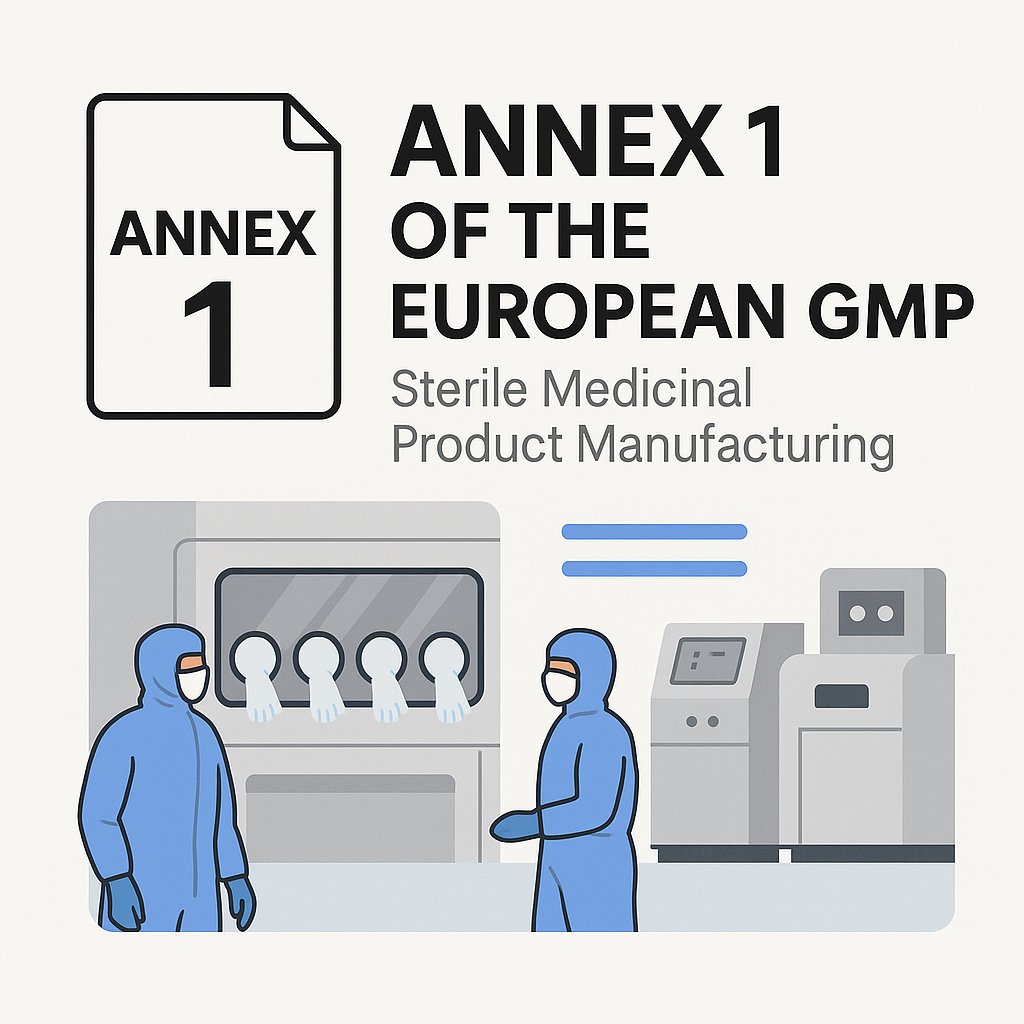
The European Good Manufacturing Practices (EU GMP) guidelines clearly recognize this reality. They emphasize that personnel must possess the appropriate education, training, and experience required to perform their assigned responsibilities effectively and consistently.
Far from being a simple regulatory obligation, training is a key driver of operational excellence, risk management, and long-term performance.
Chapter 2 of the EU GMP Guidelines focuses specifically on personnel and highlights the importance of initial and ongoing training throughout an employee’s professional journey.
This requirement extends across the entire pharmaceutical value chain, including:
• Production operators
• Maintenance technicians
• Process engineers
• Validation specialists
• Quality assurance professionals
External contractors and technical partners involved in critical operations.
The objective is straightforward: every individual involved in pharmaceutical manufacturing must understand not only what needs to be done, but also why it must be done in a specific way.
Competence is therefore a critical element in ensuring consistent product quality and regulatory compliance.
Human error remains one of the most significant sources of deviations and operational issues in regulated environments.
Even the most advanced technologies cannot compensate for insufficient knowledge or inadequate understanding of procedures and equipment.
Well-structured technical training helps organizations:
• Reduce operational errors
• Improve process reliability
• Minimize deviations and corrective actions
• Increase equipment availability
• Strengthen regulatory compliance
• Enhance overall operational performance
Beyond procedural execution, effective training enables personnel to understand the rationale behind GMP requirements and the potential impact of non-compliance on product quality and patient safety.
This understanding is essential for developing a sustainable quality culture.
The pharmaceutical industry is undergoing significant transformation. Advanced automation, digitalization, contamination control strategies, aseptic processing technologies, and increasingly stringent regulatory expectations are reshaping manufacturing environments.
As technologies evolve, so must the competencies required to operate them.
Organizations must ensure that their teams remain up to date with new equipment, processes, and regulatory expectations. Continuous learning is no longer optional; it is a strategic necessity.
Companies that invest in the development of their workforce are better positioned to improve efficiency, maintain compliance, and successfully navigate future industry challenges.
Successful pharmaceutical projects rely not only on selecting the right technologies but also on ensuring that those technologies are properly understood and utilized.
Equipment manufacturers, distributors, and technical partners play a crucial role in transferring the knowledge necessary for safe and efficient operation.
Training delivered during installation, commissioning, qualification, and operational phases helps users maximize equipment performance while maintaining compliance with applicable regulations.
Knowledge transfer therefore becomes an extension of the partnership between solution providers and pharmaceutical manufacturers.
For many years, ABC Transfer has supported pharmaceutical, biotechnology, and life science companies with innovative aseptic transfer solutions designed for critical manufacturing environments.
Beyond supplying high-quality equipment and components, our teams regularly provide installation support, commissioning assistance, and on-site technical training to ensure that users can operate our solutions safely, efficiently, and in compliance with industry requirements.
Knowledge sharing has always been an integral part of our commitment to customers.
As a member of the SKAN Group, a global leader in aseptic processing, containment technologies, and cleanroom solutions, ABC Transfer shares a common vision: operational excellence is achieved through the combination of advanced technologies and highly skilled professionals.
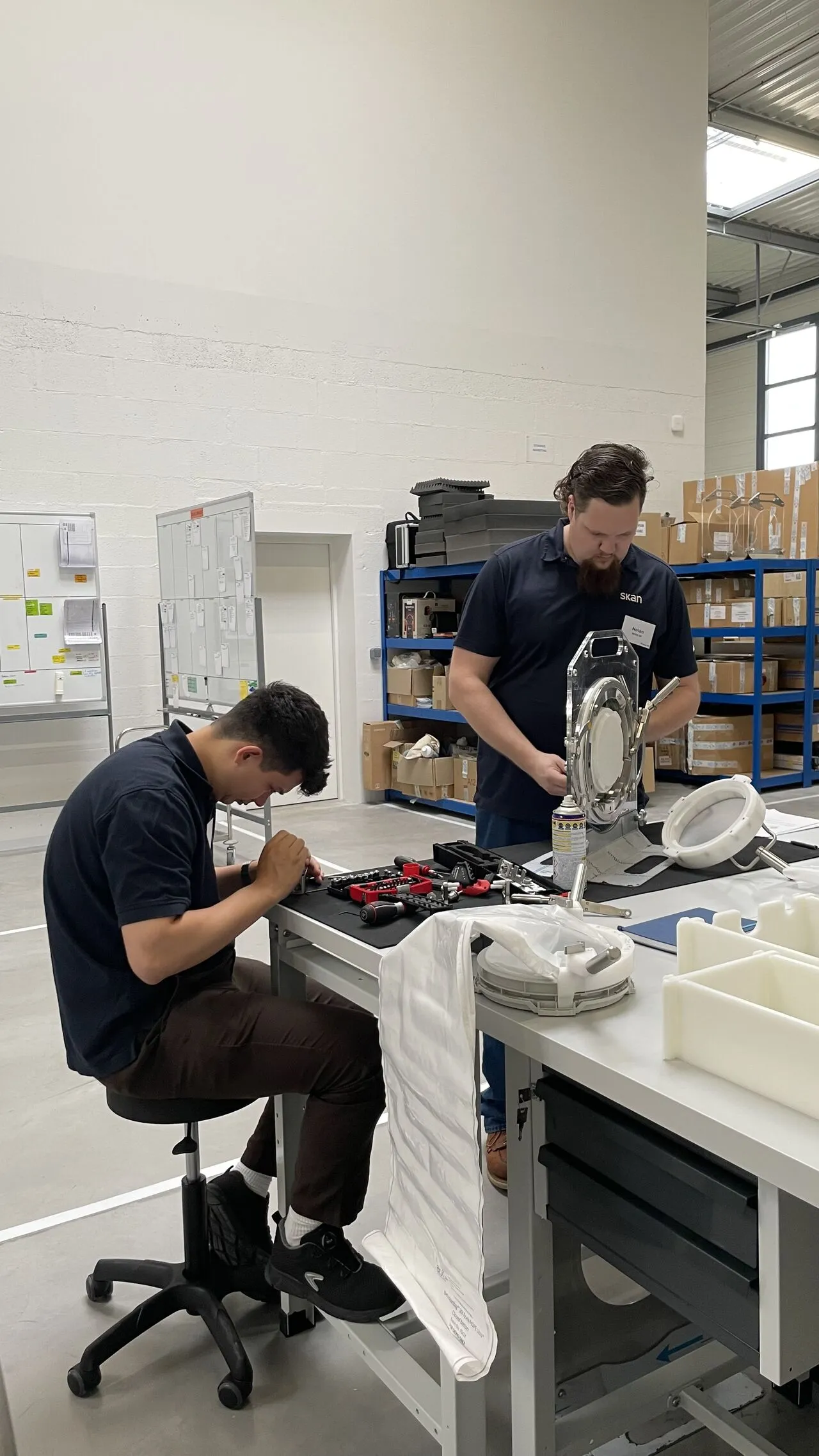
In line with this commitment, ABC Transfer recently organized the first edition of a dedicated technical training session for its distributors and technical partners.
The objective was to deepen product knowledge, share best practices, and strengthen understanding of the specific challenges faced by pharmaceutical and biotechnology manufacturers.
Beyond the technical content, the event provided an excellent opportunity for participants to exchange experiences, align knowledge levels, and reinforce a shared culture of quality, compliance, and customer support.
The pharmaceutical industry continues to evolve at an unprecedented pace. Regulatory expectations are increasing, technologies are becoming more sophisticated, and quality requirements continue to rise.
In this environment, developing and maintaining competencies is essential for sustainable success.
Training is not simply an investment in people; it is an investment in quality, compliance, performance, and ultimately patient safety.
At ABC Transfer, we believe that sharing knowledge is a key contributor to long-term success. Through technical support, customer training, and initiatives such as our first distributor training session, we remain committed to helping our partners develop the expertise required to meet the challenges of tomorrow’s pharmaceutical industry.